In this fast-paced financial landscape, aspiring business owners are progressively recognizing the opportunity of property investment as a feasible strategy for wealth building and business expansion. The appeal of this industry lies not only in its physical assets but also in the diverse financing opportunities available to those eager to innovate. From equity crowdfunding to social impact investing, innovative funding solutions are changing how startups and SMBs can secure the capital necessary to prosper.
As the housing market continues to evolve, so too do the approaches employed by savvy entrepreneurs. With developing trends in VC and the rise of financial technology, there has never been a better time for emerging leaders to explore different investment paths. Whether it's through government-driven initiatives or mentorship programs aimed at varied leadership teams, the landscape is ripe for those looking to leave their mark. Exploring these strategies not only supports individual startup goals but also contributes to broader community advancement and financial resilience.
Understanding Real Estate Investment
Real estate investment is a robust strategy for emerging entrepreneurs who are seeking to broaden their investment portfolios and create enduring wealth. By purchasing real estate, individuals can earn income through rental payments and profit from property value appreciation over time. This type of investment not only provides possible cash flow but also serves as a protection against inflation, making it an desirable option in challenging economic climates.
One of the primary advantages of investing in real estate is its ability to utilize financial resources. Entrepreneurs can use mortgage financing to acquire properties, enabling them to oversee assets worth significantly more than their initial capital outlay. This leverage can amplify returns on investment, provided that the properties are supervised effectively. Additionally, investing in real estate offers a variety of tax benefits, including deductions for depreciation, which can augment the attractiveness of investing in this sector.
To prosper in investing in real estate, aspiring entrepreneurs must conduct thorough market research and comprehend local market dynamics. Spotting emerging neighborhoods and trends can lead to smart decisions about property purchases. Moreover, establishing a network of professionals, including real estate agents, landlords, and financial advisors, is essential for navigating the complexities of investing in real estate and maximizing potential returns.
Financing Choices for Business Owners
Business owners have a range of funding options accessible to support their ventures, with each with distinct advantages and challenges. Traditional bank loans continue to be a common option due to their set repayment conditions and reduced interest rates in contrast to alternative choices. However, securing a bank loan usually demands a strong credit history, making it more accessible for new businesses. For those who do not meet the requirements for conventional loans, different investment funding has emerged as a feasible pathway. This includes P2P lending and digital platforms that connect investors with entrepreneurs, offering flexible terms that can suit specific business models.
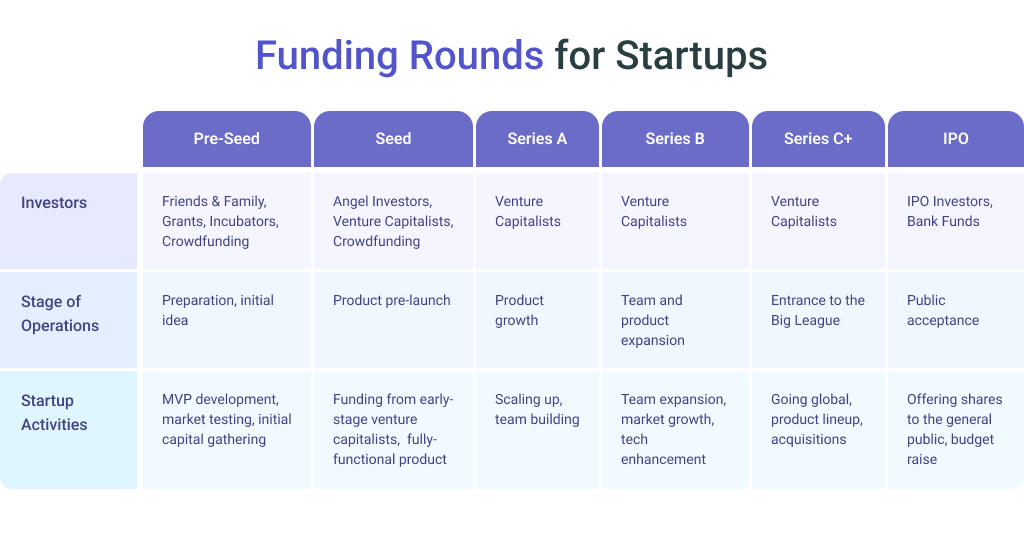
Another increasingly growing option for budding entrepreneurs is equity crowdfunding. This method allows individuals to invest in startups in exchange for equity, broadening the investment process and allowing entrepreneurs to tap into a larger pool of possible investors. Platforms dedicated to equity crowdfunding have seen traction, providing entrepreneurs with the opportunity to showcase their business ideas to interested parties while also building a community of advocates. As venture capital trends develop, many founders are now leveraging this innovative funding solution to grow their businesses without relinquishing too much control.
Additionally, many entrepreneurs are considering impact investing as a way to connect their business goals with community responsibility. This method not only focuses on financial returns but also values positive environmental or social outcomes. By attracting investors interested in climate tech or deep tech startups, entrepreneurs can access funding that supports their aims for sustainable growth. Government policies also play a crucial role in influencing the venture capital landscape, offering incentives for diverse leadership teams and promoting philanthropic initiatives that can enhance business mentorship and education funding for future entrepreneurs.
Shifts in Venture Capital and Real Property
The field of risk capital continues to evolve, especially with the growing focus in property as a feasible investment choice for startup founders and investors. More entrepreneurial ventures are seeking funding not only for technological innovations but also for property projects that incorporate sustainable practices and advanced financial technology. This shift is pushing established risk capital companies to explore possibilities in property, particularly in areas such as property management solutions and platforms that enhance availability of investments through equity-based crowdfunding.
Investors are increasingly looking at impact investing, where the emphasis extends beyond profit to include community and ecological benefits. This trend is particularly obvious in environmental technology and advanced technology startups that work on developments to critical urban problems, such as affordable housing and efficient energy structures. By syncing their financial inputs with positive societal impacts, investors are luring a new wave of entrepreneurs who are motivated by both profit and intent, thereby reshaping the property investment scene.
Additionally, the growth of tech in finance has made it easier for business proprietors and budding entrepreneurs to access non-traditional financing options. Crowdfunding services and creative funding solutions are opening up real estate investments, enabling greater numbers of people to engage in the industry. This democratization, coupled with supportive government policies and varied management groups, is forming a more welcoming environment for real estate investment, fostering increased growth opportunities for new businesses in the sector.
The Importance of AI on Real Estate Investing
AI is disrupting the real estate investment landscape through optimizing data analysis and decision-making processes. Investors can employ AI algorithms to scrutinize vast amounts of market data, identify trends, and forecast property values with increased accuracy. Learn More From Yitz Stern to predict market movements helps entrepreneurs make informed investment decisions and lowers the risks associated with real estate investments.
In addition, AI-driven tools improve property management through automating routine tasks including tenant screening, lease management, and maintenance requests. Learn More From Yitz Stern enable small business owners to concentrate on growth strategies rather than becoming overwhelmed by day-to-day operations. The productivity gained from AI applications leads to better cash flow management, allowing business owners to allocate resources more effectively and invest in additional opportunities.
Furthermore, AI is playing a key role in customer engagement and marketing for real estate businesses. Through data-driven insights, investors can better understand potential buyers' preferences and behaviors, creating tailored marketing campaigns that connect. This cutting-edge approach not only boosts lead generation but also builds lasting relationships with clients, crucial for long-term success in real estate investing.
Investing for Impact in Climate and Deep Tech
Investing with purpose has emerged as a transformative strategy within the real estate and technology sectors, particularly for aspiring entrepreneurs. By focusing on climate tech and advanced technology startups, investors are not only seeking monetary gains but also striving to tackle pressing global challenges such as global warming and sustainability. This dual focus presents a unique opportunity for entrepreneurs to sync their business models with the interests of investors while driving beneficial environmental impact.
In the realm of climate tech, creative solutions are being crafted to reduce emissions, enhance energy efficiency, and promote sustainable practices. Property ventures, such as green buildings and renewable energy projects, provide attractive investment avenues for those seeking to make a difference to a sustainable future. Entrepreneurs who adopt these modalities can position themselves as pioneers in a market that more and more values environmental responsibility, thus drawing in impact investors eager to support substantial initiatives.
Advanced technology startups often leverage cutting-edge scientific and engineering innovations to address difficult challenges. These businesses can harness AI, large datasets, and emerging technologies to implement solutions that appeal with investors interested in significant societal benefits. By building partnerships with venture capitalists who emphasize social responsibility, entrepreneurs can tap into resources that not only finance their projects but also enhance their credibility and market reach, thereby driving small business growth and advancements in the fast-changing landscape of climate-focused investments.
Creating Inclusive Management in Real Estate
Inclusive management in property development is essential for fostering creativity and accelerating development within the sector. A varied workforce brings a wide range of insights, histories, and ideas, which can lead to more efficient problem-solving. As new entrepreneurs enter the realty sector, focusing on varied direction can assist create a more inclusive environment that welcomes different ideas and promotes togetherness. This method not only enhances business culture but also invites a broader clientele that cherishes diversity and inclusion.
To develop inclusive leadership in property development, it is essential to adopt proactive hiring practices that focus on finding and supporting capabilities from disadvantaged groups. This can include forming alliances with entities that aid minority entrepreneurs and participating in mentorship programs that encourage diverse individuals to embrace leadership roles. By committing to inclusiveness in hiring and advancement, realty companies can boost their edge and advocate for a more equitable industry.
Moreover, property development firms should create guidelines that promote diversity and foster for diverse teams. This includes offering ongoing workshops on unconscious bias, promoting open discussions about equity issues, and creating advocacy programs that promote varied talent within the firm. By investing in these projects, realty entrepreneurs can strengthen their leadership workforces, ultimately positioning themselves for prosperity in a fast-paced environment influenced by innovative funding methods and changing consumer demands.
Navigating Government Regulations in Investing
Understanding government policies is essential for investors aiming to invest in the real estate market or alternative industries. These policies set the framework for how companies function, including rules governing financial activities and investment opportunities. For example, tax incentives for property investments can considerably influence cash flow management and overall profitability. Investors must keep up-to-date about regulations at all levels that could affect their investment strategies, especially in a dynamic market such as New York where the situation can shift quickly.
Additionally, public sector initiatives often support startups and small enterprises through multiple financial programs. This includes financial support such as grants, loans, and training funds specifically aimed at fostering new ideas and business growth. By taking advantage of these resources, aspiring investors can gain access to alternative investment funding sources that could be inaccessible otherwise. Working with Learn More From Yitz Stern in the area can also assist in navigating these intricate regulations and find financial opportunities that align with entrepreneurial ambitions.
Finally, monitoring the trends in venture capital and government regulations ensures that business leaders keep their edge and conscious of their market position. Guidelines for investments that create social impact and environmental technology projects are becoming more significant, making it important for investors to integrate their plans with the needs of the community. Establishing varied leadership groups that mirror the communities served can boost credibility and create more financial opportunities, while also supporting to social impact. In this fluid landscape, grasping governmental impact can be a deciding factor for effectively investing in the real estate market.